Life Sciences & Pharma

Streamlined solutions for clinical trials

The Linus Health platform incorporates distinct tools for eligibility, phenotyping, safety, and clinically meaningful outcomes.

55de1ae9fe71704714115d377690b47f

Advancing cognitive research with digital tools

Trial recruitment and retention can be one of the most challenging aspects of study delivery especially in neurodegenerative disease. Participants often undergo time-consuming and costly activities before determining eligibility. Convenient, centralized access to cognitive assessments and data is critical to scaling clinical trials and other types of cognitive research.

The Linus Health platform helps life science organizations and academic research institutions enhance the objectivity, scalability, and reach of their studies — all while maintaining robust data integrity with no risks typically associated with non-digital data points. The use of our digital assessments is practical, feasible, and economically advantageous to incorporate into recruitment, patient modeling and protocols.

End-to-end clinical trial platform

With over 160,000 tests administered globally, our suite of precision digital assessments, featuring integrated electronic Clinical Outcome Assessment (eCOA) solutions, is a trusted tool for optimizing clinical trials.

  • Functional Assessments_Navy

    Functional
    assessments

  • Mood and Anxiety Disorder Screening_Navy

    Mood & anxiety
    disorder screening

  • Cognitive Assessments_Navy

    Cognitive
    assessments

  • Motor Assessments_Navy

    Motor
    assessments

  • Hearing Assessments_Navy

    Hearing
    assessments

Enabling researchers to meet increasing clinical trial and study demands

  • Emerging evidence_White
    Confirm efficacy

    Empower your selection process and enhance the standard of care with an all-in-one digital platform. Our validated, well-established cognitive assessments utilize process-based analytics to offer an objective measure of cognition, free from administrator bias. Additionally, embedded sensitive measures swiftly generate rich and sensitive output.

  • Optimize outcomes_White
    Monitor meaningful benefits

    Regulatory bodies require neurodegenerative disease interventions to show a clinically meaningful effect. Linus Health’s approach evaluates treatment benefits by capturing each person’s voice individually, ensuring functional changes are tangible and personally meaningful, building a stronger foundation for clinical efficacy.

  • Globe_White
    Broaden reach

    Accessible digital cognitive assessments broaden study populations to secure a proper balance for each study. Through the use of widely available technology, the platform increases diversity and reduces cultural disparities with multilingual and multinational support – leading to more comprehensive and inclusive studies that embody true health equity.
A powerful solution for efficient, scalable brain health studies

Our solutions empower life sciences and academic researchers in brain health breakthroughs. Combining AI-enhanced assessments with modern administrator and participant tools, our platform streamlines CNS trials by optimizing recruitment and reducing screen failure rates with rapid, cost-effective, and convenient assessments designed for large populations. Our unique tool captures individual treatment benefits, integrating the patient voice to establish clinically meaningful outcomes.

Explore Our Assessments

Centralized brain health assessments

Linus Health’s scientifically-validated assessments offer pharma R&D teams an opportunity for more efficient and convenient access to both assessments and results. This configurable platform incorporates a variety of assessments designed to assess multiple cognitive domains and quantify clinically meaningful benefits from the point of view of the patient and care partner.

Life Science Assessments

Streamlined administrator access

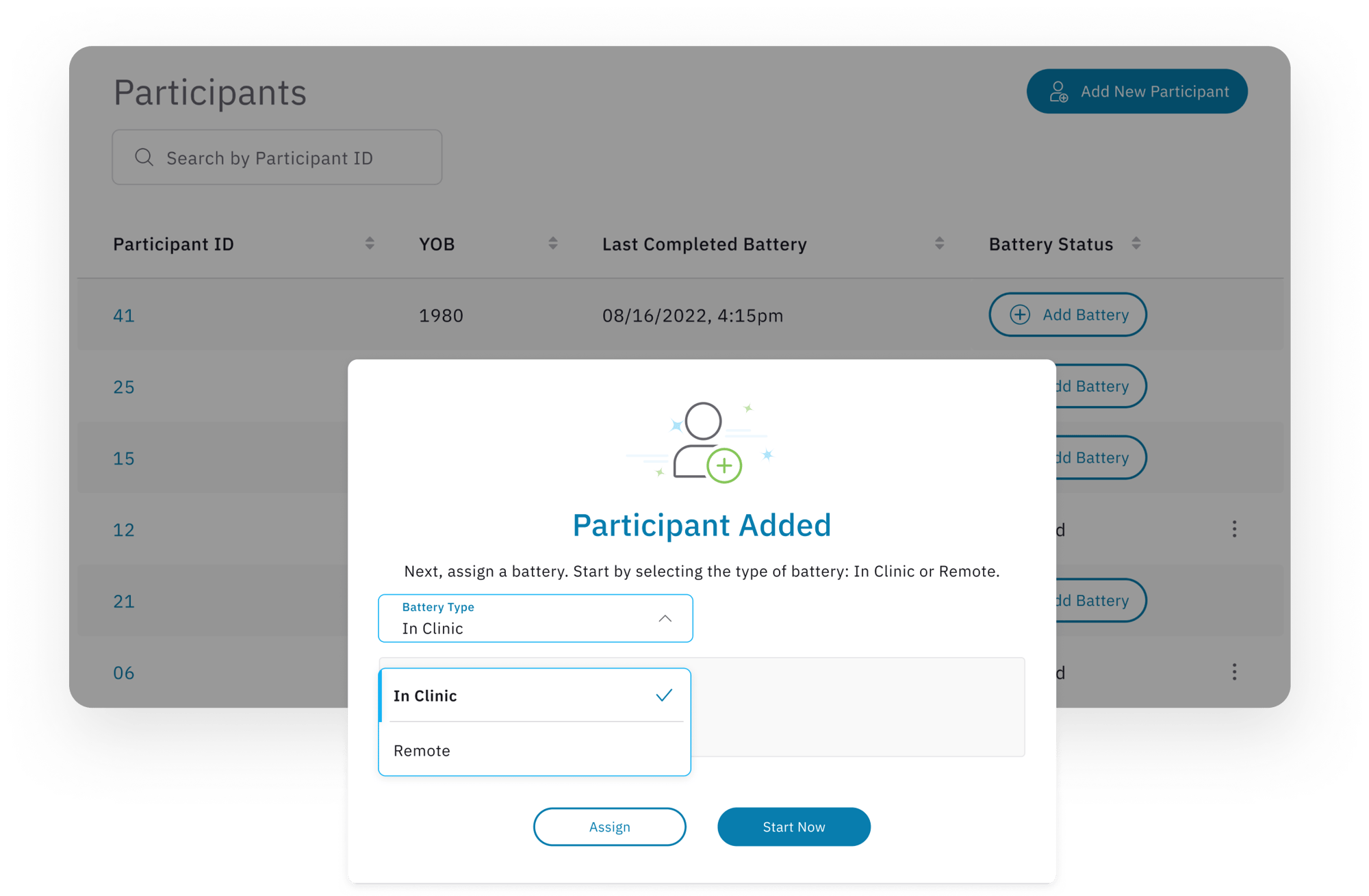
Centralizing critical study tasks in one intuitive application, our administrator portal enables clinical trial and research study teams to register participants and manage assessment administration easily and efficiently. Plus, they gain immediate access to participant-level assessment results and overall compliance measures.

Life Science - Product 02

Easy-to-use participant tools

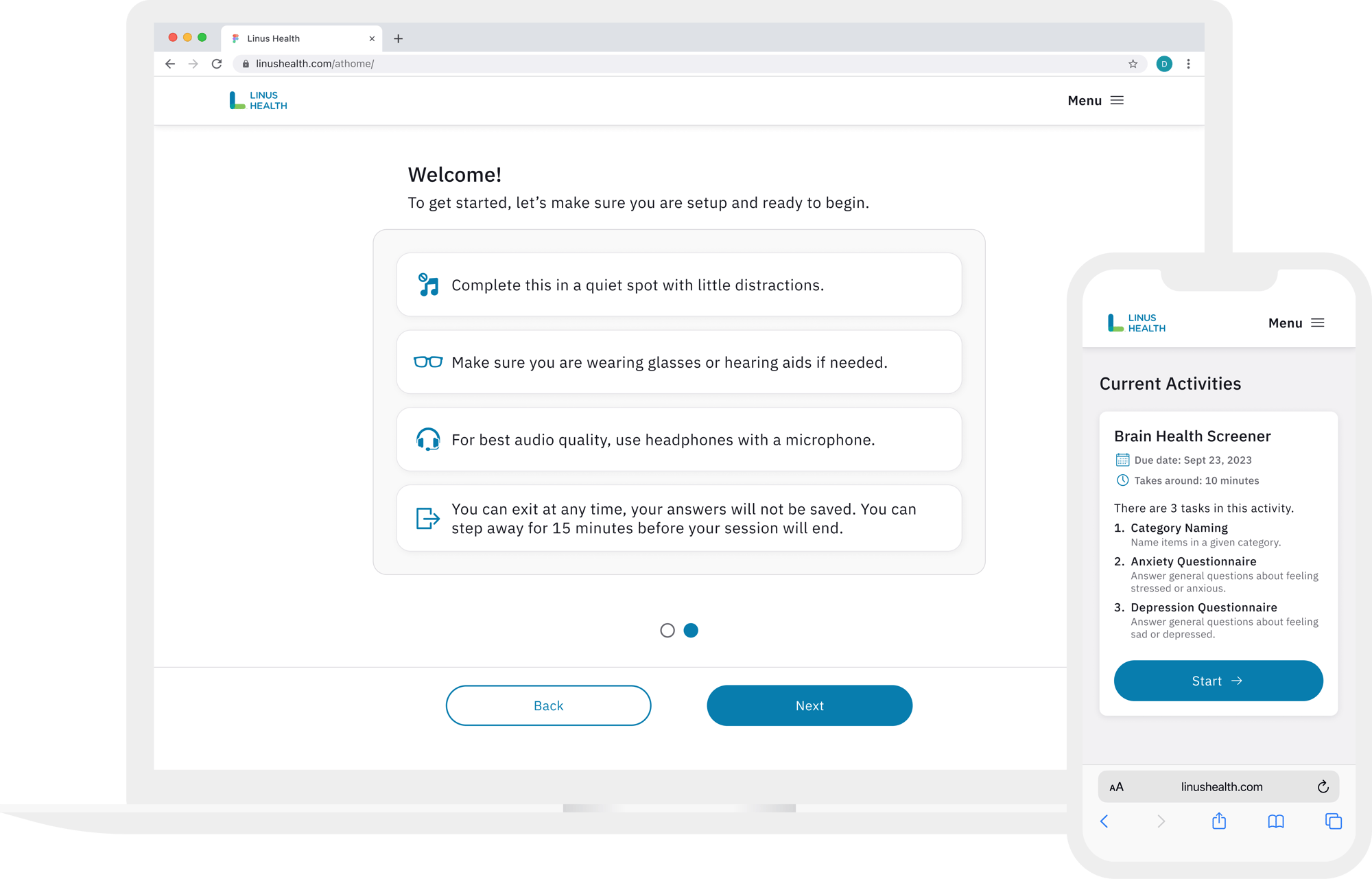
Combining user-friendly design with simplified access, the Linus Health research administrator app and browser-based remote assessments provides an intuitive, streamlined experience for study sponsors and participants alike. Participants can easily access assigned remote cognitive assessments anytime, anywhere — all on their own familiar device.

Life Science Platform

A library of next-generation digital assessment tools

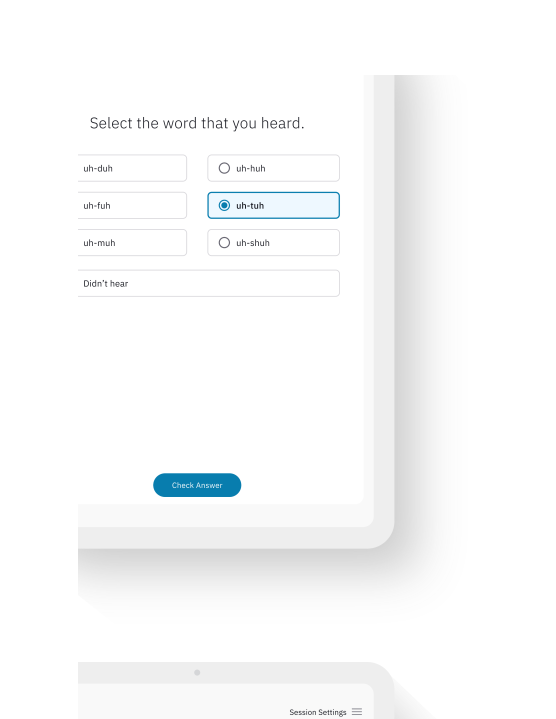
Linus Health digital assessments typically take under three minutes and can be administered by any clinical staff, no skilled technicians required. Unlike others, we capture thousands of process metrics through embedded sensor arrays, providing deeper brain function insights. With automated scheduling, we reduce operational costs and support prescreening, safety, and efficacy outcomes.
Drawing-based Voice-based Eye tracking Function Meaningful treatment benefits Digital speech and hearing screener Mobility Mood & Anxiety
  • Drawing_Based2_White

    Drawing-based

    Evaluates cognitive and motor skills through drawing tasks.
    arrow

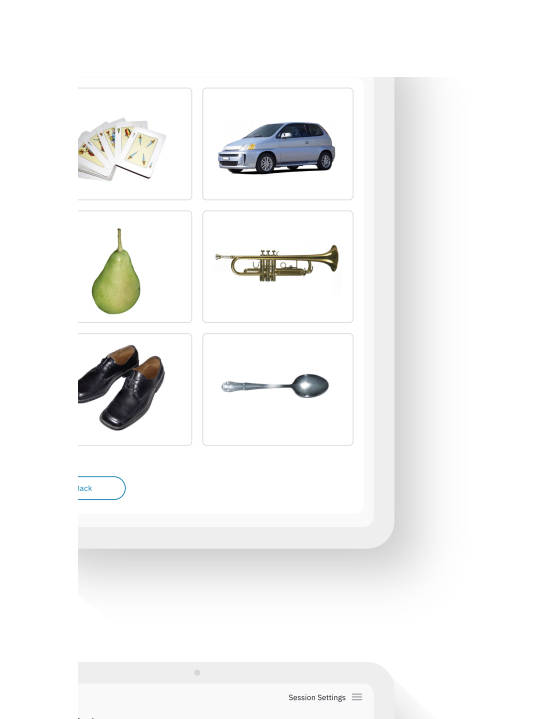
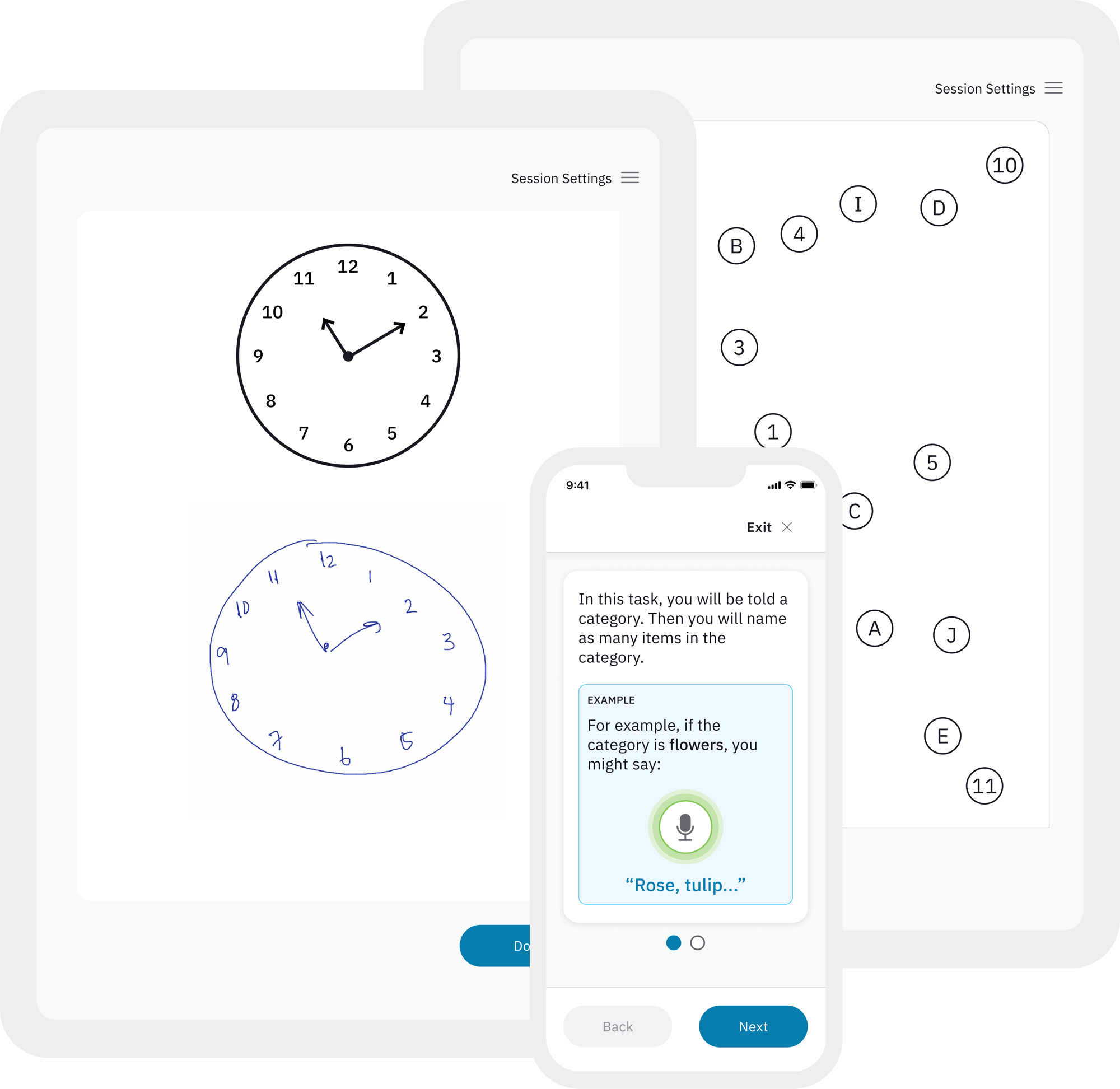
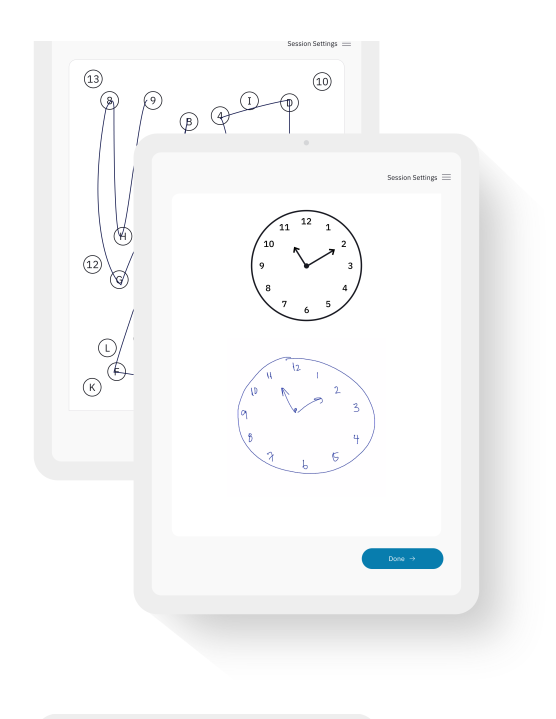
    iPad based assessments using an Apple Pencil evaluate cognitive and motor skills through unique, well-validated tools like DCTclock™ and DCR™, plus digital versions of Digit Symbol, Trails, and Spiral Tracing. Machine-learning algorithms also extract sensitive process-based performance metrics.

  • Voice_Based2_White

    Voice-based

    Analyzes voice to assess cognitive and neurological function.
    arrow

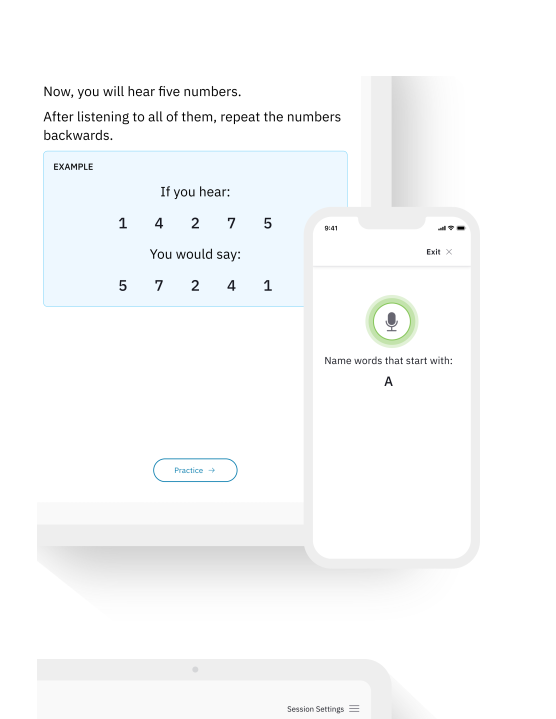
    Evaluate verbal abilities with tasks testing language fluency, executive function, and verbal memory. Beyond traditional metrics, advanced signal and natural language processing extract novel acoustic, semantic, and time-based process metrics for deeper insights.

  • Eye_Tracking2_White

    Eye tracking

    Monitors eye movements to assess cognition.
    arrow

    Track participants' eye gaze to assess cognitive and visual processing with tools like Passive Memory Assessment (VisMET) and Fototest. We leverage state-of-the-art machine learning algorithms and advanced computing solutions to evaluate cognition by tracking gaze.

  • Functional2_White

    Function

    Evaluates daily living skills and physical capabilities.
    arrow

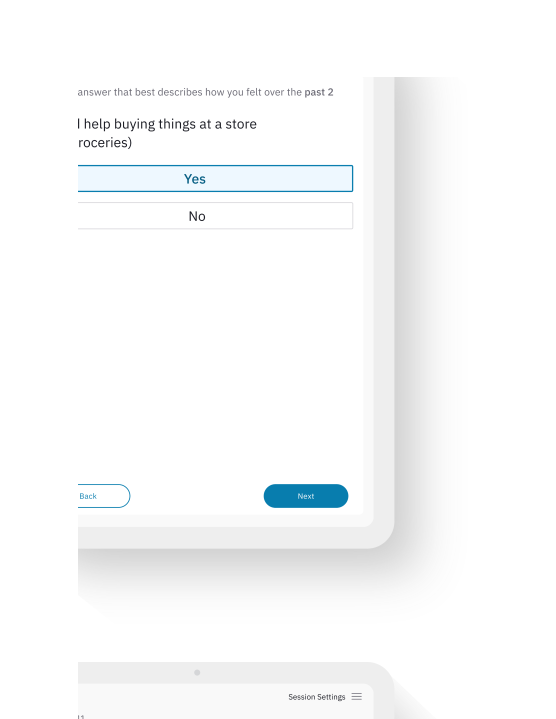
    Assess functional independence in basic and instrumental activities of daily living such as shopping, cooking, managing finances, self-care, and orientation through the use of FAST, iADL, ADL, and Orientation-6 questionnaires.

  • Meaningful2_White

    Meaningful treatment benefits

    Measures real-world impact and effectiveness of treatments.
    arrow

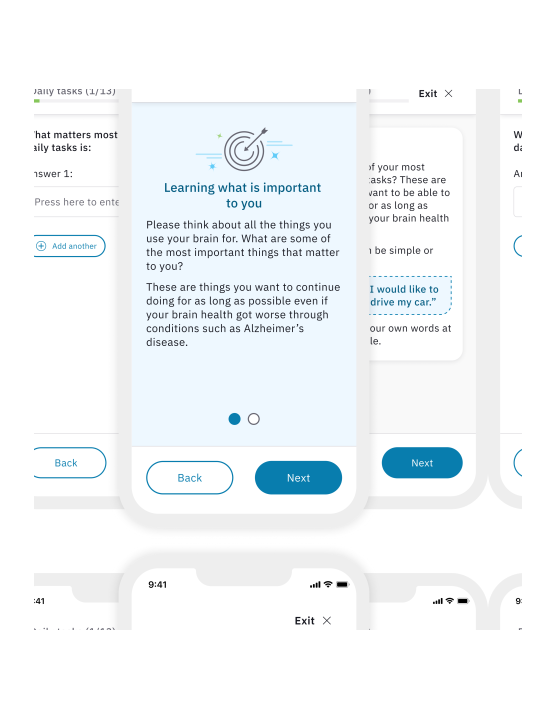
    Capture and monitor change in personally meaningful treatment outcomes with the novel electronic Person Specific Outcome Measure (ePSOM™). ePSOM prompts individuals to use their own words to describe what aspects of brain health matter to them the most and quantifies their changes over time.

  • Hearing2_White

    Digital speech and hearing

    Analyzes hearing abilities using digital tools.
    arrow

    Assess hearing abilities using our digital Speech Hearing Screener (dSHS) to identify concerns with functionally meaningful speech, hearing or a discrimination that may affect test performance and comprehension. Identify hearing impairment as an established risk factor for developing dementia.

  • Motor2_White

    Mobility

    Mobility and gait assessment solutions.
    arrow

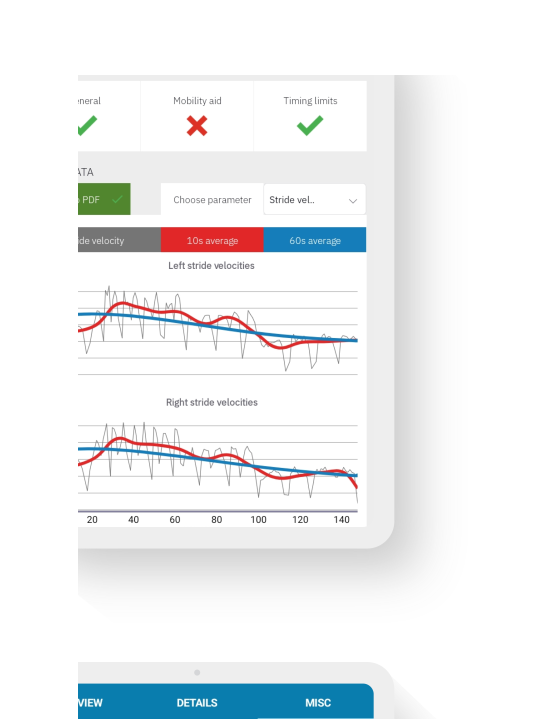
    Our Kinesis product line includes solutions to assess gait, balance, mobility and falls risk. The sensor-based products (Kinesis QTUG™, Kinesis Gait™ & Kinesis Balance™) evaluate performance in a range of walking, balance, and mobility tests and can support in-clinic or remote assessment protocols.

  • Mood2_White

    Mood & anxiety disorders

    Identifies and assesses mood and anxiety disorders.
    arrow

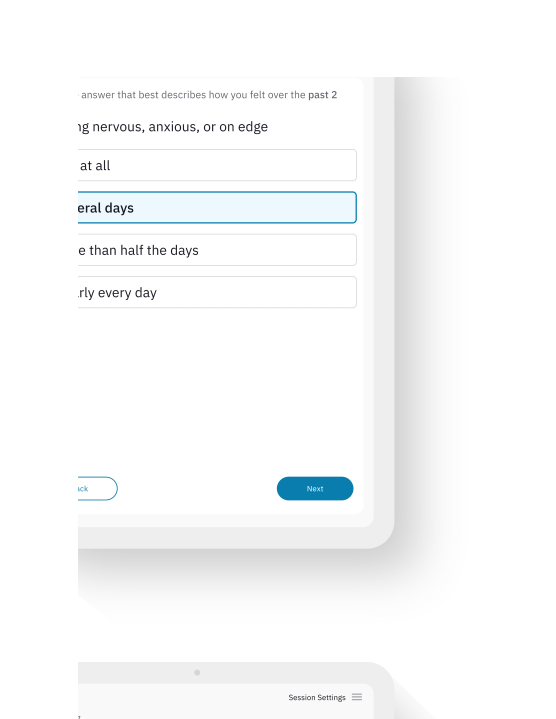
    Screen for mental health conditions including depression, anxiety, and related disorders using GDS, PHQ, and GAD-7 questionnaires.

Frequently asked questions about cognitive impairment tests

Below you'll find answers to the most common questions about cognitive assessments.

  • Linus Health’s digital cognitive assessment tools have been used in more than 60 clinical trials worldwide, supporting research across therapeutic areas like Alzheimer’s disease, Parkinson’s disease, and ALS. Linus’ validated, process-based assessments and platform support Phase I-IV studies, enabling sponsors to build custom digital assessment batteries aligned with each protocol, population, and operational need. With remote-capable assessments and questionnaires, Linus Health is helping research teams accelerate participant recruitment, strengthen cognitive outcome measures, and collect standardized data for secondary, safety, exploratory, and post-market evidence endpoints.

    For sponsors planning multinational studies, Linus Health’s portfolio includes Class I and Class II medical devices that are FDA-listed in the United States, CE-marked and classified in the European Union under EU Medical Device Regulation (MDR), UKCA-marked for Great Britain, and registered under Health Canada’s Medical Device Establishment License (MDEL). Linus Health supports 18 languages and has worked in dozens of countries for pharmaceutical and clinical trial research studies, enabling global programs while allowing sponsors to address country-specific regulatory, ethics, and site-activation requirements applicable to each study. Read more about Linus Health’s regulatory information.

  • Digital cognitive assessments and blood biomarkers offer complementary views of Alzheimer’s disease. Blood biomarkers provide evidence of underlying Alzheimer’s pathology, while digital cognitive assessments measure the functional cognitive change that matters to participants, clinicians, and research teams. Together, these data points can help researchers identify and characterize potential participants, enrich study populations, and track cognitive performance alongside biological signals. Linus Health’s digital assessments can add a repeatable measure of cognition to research teams and their work, supporting more informed recruitment and study design. Learn how digital screening complements blood biomarkers.

  • Linus Health’s Digital Clock and Recall (DCR) is a 3-minute, iPad-based assessment that pairs the DCTclock, a digital clock drawing test, with 3-word immediate and delayed recall (Gomes-Osman et al., 2024; Jannati et al., 2024). It uses the same tasks as the Mini-Cog. The difference is that DCR doesn’t just score the final answer. It also records how each task is done, including drawing movements, pauses and latencies, and speech features during recall. This process-based approach gives research teams more information per minute of testing than tools that solely produce a score.

    In comparison studies, DCR has shown higher accuracy than widely used screening tools. In 828 participants from the Bio-Hermes study, experienced raters scored the same clock drawings and recall responses with standard Mini-Cog rules. DCR’s process-based scoring correctly classified 44 cognitively impaired individuals that Mini-Cog scoring missed, while the reverse happened in only four cases (Gomes-Osman et al., 2024). In 706 Bio-Hermes participants, the DCR 0–5 score detected MCI and mild dementia more accurately than the MMSE (AUC 0.70 vs. 0.63), and took fewer than 3 minutes (Jannati et al., 2024). Of 104 participants who scored normal on the MMSE, but had verbal memory impairment on the Rey Auditory Verbal Learning Test (RAVLT), DCR flagged 81% as impaired; and DCR scores were less affected by ethnicity than MMSE scores (Jannati et al., 2024). In a real-world neurology clinic sample of 49 patients, DCR detected MCI with an AUC of 0.90 vs. 0.71 for the MoCA, and raised specificity from 41% to 88% (Castillo Dutor et al., 2026). The DCTclock has also shown agreement with established neuropsychological measures, including the RBANS, MoCA, MMSE, Trails A and B, and the Hooper Visual Organization Test (correlations of 0.51 to 0.66) (Souillard-Mandar et al., 2021).

    Evidence also links DCR to Alzheimer’s disease pathology, which matters for trial screening and enrichment. In cognitively normal older adults, poorer DCTclock performance was associated with greater amyloid and tau burden on PET. It separated amyloid-positive from amyloid-negative participants with a larger effect size than the Preclinical Alzheimer Cognitive Composite (PACC) (Cohen’s d 0.76 vs. 0.30). In the same study, the DCTclock also distinguished cognitively normal adults from those with MCI or early Alzheimer’s dementia with an AUC of 0.86 (Rentz et al., 2021). In 930 Bio-Hermes participants, separate DCR-based machine learning models classified both cognitive impairment (AUC 0.83) and amyloid PET status (AUC 0.81), while the MMSE, RAVLT, and Cognivue were less accurate for amyloid status (AUCs 0.70 to 0.73) (Jannati et al., 2025a). Combined, these models identified potential candidates for anti-amyloid treatment, defined as MCI or mild dementia with a positive amyloid PET, with an AUC of 0.84 and a negative predictive value of 0.93 (Jannati et al., 2025b). For life sciences teams, this means a brief, objective cognitive measure that could help reduce costly screen failures and add more information to biomarker data when finding, enriching, and characterizing study participants.


    References:
    Castillo Dutor N, Hsueh Lema LE, Tormos Muñoz JM, et al. The Digital Clock and Recall outperforms the MoCA in detecting mild cognitive impairment in a real-world clinical setting. Poster presented at: Alzheimer’s Association International Conference (AAIC); 2026. 

    Gomes-Osman J, Borson S, Toro-Serey C, et al. Digital Clock and Recall: a digital, process-driven evolution of Fthe Mini-Cog. Front Hum Neurosci. 2024;18:1337851. doi:10.3389/fnhum.2024.1337851

    Jannati A, Toro-Serey C, Gomes-Osman J, et al. Digital Clock and Recall is superior to the Mini-Mental State Examination for the detection of mild cognitive impairment and mild dementia. Alzheimers Res Ther. 2024;16:2. doi:10.1186/s13195-023-01367-7

    Jannati A, Thompson K, Toro-Serey C, et al. Concurrent detection of cognitive impairment and amyloid positivity with a multimodal machine learning-enabled digital cognitive assessment. Alzheimers Res Ther. 2025a;17:261. doi:10.1186/s13195-025-01913-5

    Jannati A, Thompson K, Toro-Serey C, et al. The Digital Clock and Recall identifies eligible candidates for Alzheimer’s disease-modifying treatment. Poster presented at: Clinical Trials on Alzheimer’s Disease (CTAD) Conference; 2025b.

    Rentz DM, Papp KV, Mayblyum DV, et al. Association of digital clock drawing with PET amyloid and tau pathology in normal older adults. Neurology. 2021;96(14):e1844-e1854. PMID: 33589537

    Souillard-Mandar W, Penney D, Schaible B, Pascual-Leone A, Au R, Davis R. DCTclock: clinically-interpretable and automated artificial intelligence analysis of drawing behavior for capturing cognition. Front Digit Health. 2021;3:750661. doi:10.3389/fdgth.2021.750661


  • Linus Health applies a process-based approach across complementary digital modalities to help sponsors build a full view of treatment benefits. Configurable study batteries can capture cognitive performance and how participants complete tasks across drawing/praxis, speech/language, gait/balance, and mobile eye-tracking. This generates an objective measure of cognition, motor function, mobility, attention, and visuospatial behavior. Linus Health’s DCTclock captures and quantifies more than 100 features of the drawing process, extending measurement beyond the final clock image to include timing, movement, and strategy.

    Linus Health’s electronic Person-Specific Outcomes Measure (ePSOM™) complemented these objective measures by capturing each participant’s brain health priorities and their confidence in managing them over time. Together, digital process measures and participant-reported outcomes can support cognitive, functional, safety, exploratory, and treatment benefit endpoints. This helps sponsors assess if treatment changes measurable function, and whether those changes matter in participants’ lives.

Let's advance Alzheimer's and dementia studies together

Connect with us to explore how digital assessments can enhance your workflow.