Finding clarity through cognitive testing
In this patient story, Paul describes how cognitive testing helped distinguish between stress-related challenges and more serious concerns, bringing relief and clarity for both him and his family.
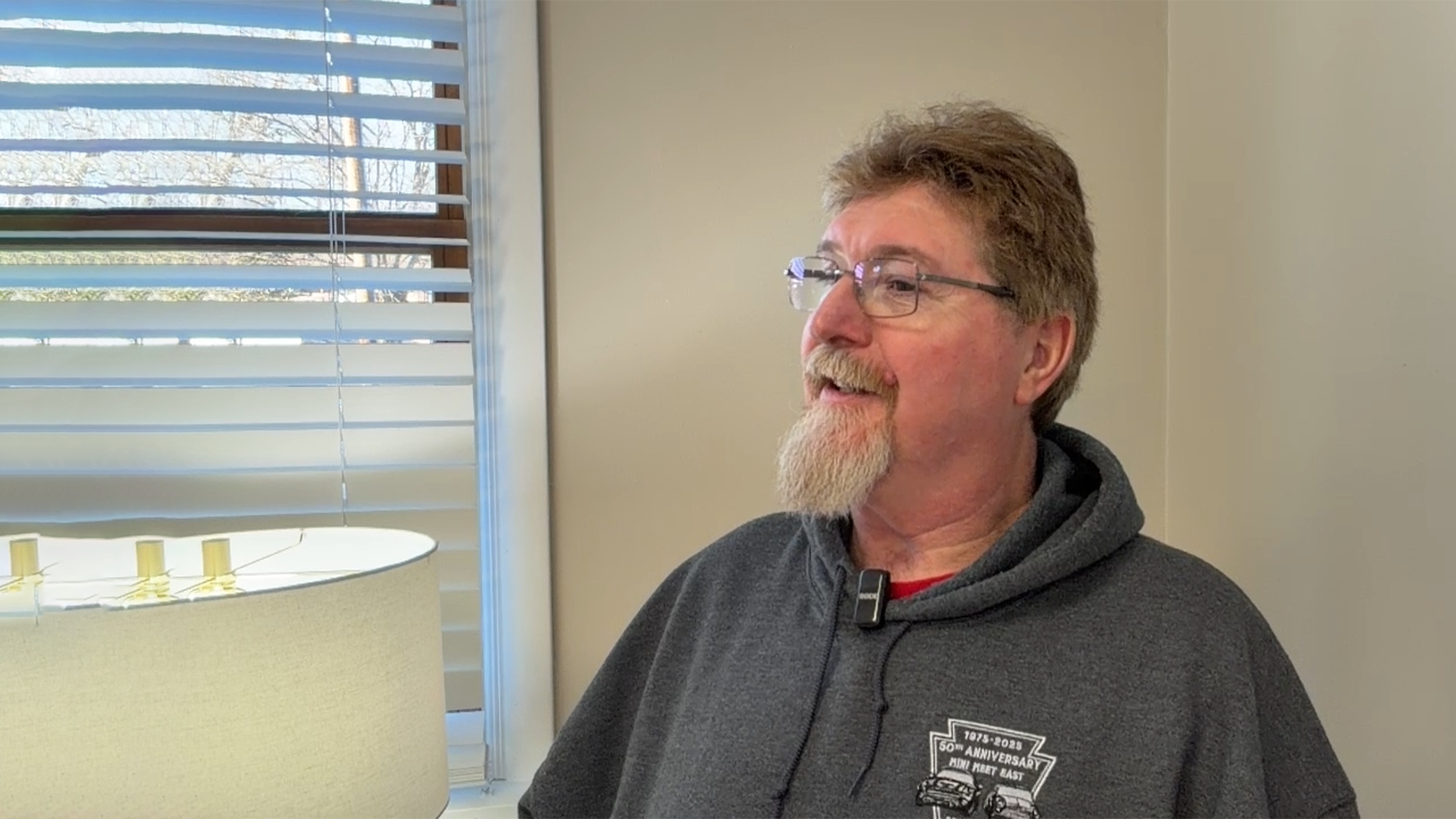
“It’s opened my eyes a little bit… I know stress is causing some of my memory issues, so I’m trying to relieve the stress and looking at some possible health changes.”
Meet Paul
Paul’s decision to pursue cognitive testing was shaped by family experience. Watching both his father and grandmother go through cognitive decline raised an important question: could the same thing happen to him?
“This all came about with having my father come in… and watching him go through this, and what my grandmother went through,” Paul says. His son shared those concerns as well. “My son was concerned with whether I would [have it]… we decided that it would be a good idea for me to come through and do the testing.”
Facing the possibility of something worse
Going into the testing, Paul wasn’t sure what to expect — but he knew what he was worried about. “I was expecting a little bit worse diagnosis than what I was given,” he says. Like many people in a similar position, the fear wasn’t just about memory issues, it was what those symptoms might mean long term.
Getting answers — and relief
Through cognitive testing with Linus Health, Paul was able to better understand what was actually happening. The experience itself was more approachable than he expected. “It was relaxing… there was some testing done on a tablet. No wrong answers — just answer them the best way you could,” he says.
The results brought an important distinction into focus. “Some of my forgetfulness is from the stress of what’s going on in my personal life and at work,” Paul explains. That clarity made an immediate emotional impact. “I was relieved,” he says. “I can go home and tell my son that I have a few years yet before I get to other stages.”
Turning insight into action
With a better understanding of the root cause, Paul was able to take meaningful steps forward. “The suggestion was made to go see a counselor to help with the stress. I am doing that,” he says.
He’s also made changes in his day-to-day life. “There’s a couple personal things in my life that have been resolved… so I’m no longer dealing with them.” The experience shifted how he thinks about his health overall. “It’s opened my eyes a little bit,” he says.
A clearer path forward
Today, Paul has a different perspective — not just on his memory, but on how to take care of himself moving forward. “Trying to relieve the stress… looking at maybe some possible health changes,” he says. He also sees the broader impact for his family. “It’s helpful to the family to deal with what’s going on,” he explains, reflecting on how understanding cognitive health affects more than just the individual.
Paul's advice for others
For Paul, one of the biggest takeaways is how accessible the process actually is. “The tests are not that hard. There’s no wrong answers. Fairly quick. It’s fairly easy,” he says. And more importantly, he believes it’s something more people should consider. “More people should be tested… no reason not to.”
Why his story matters
Paul’s experience highlights an important reality: not all cognitive concerns point to long-term decline. Cognitive assessment can help distinguish between stress-related challenges and more serious conditions, giving patients and families the clarity they need to take the right next steps. In Paul’s case, that clarity didn’t just bring relief, it created an opportunity to make meaningful changes and move forward with confidence.
Explore more patient stories
Hear from other patients and caregivers about how cognitive assessment helped them better understand their brain health and move forward with confidence.