How cognitive testing helped a nurse stay in the workforce
Karen, a registered nurse with more than three decades of experience, began noticing changes in her memory and worried it might force her to step away from the profession she loves. Through cognitive testing, she gained clarity about what was happening, received a plan to improve her brain health, and saw measurable progress.
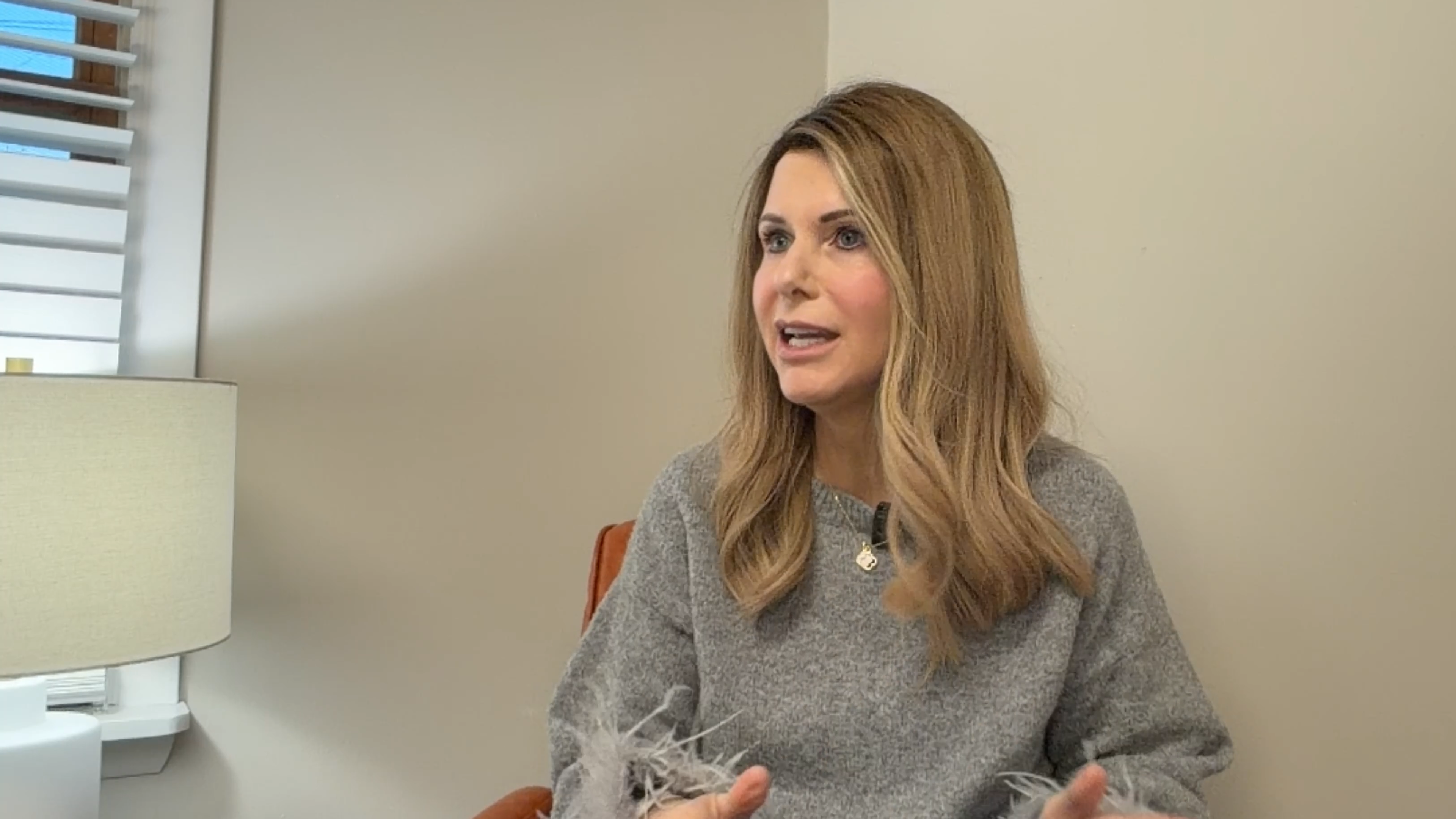
“You gave me back the confidence to take care of people again. And the confidence to take care of myself. And that’s huge.”
Meet Karen
After more than 30 years as a nurse, Karen knew her work — and herself — well. So when she began noticing changes in her memory, it stood out immediately. “I would walk away from my patient and completely forget their name,” she says. Occasional lapses are normal, but this felt different. “This was more than occasionally. This was happening routinely.”
What was at stake
For Karen, the concern wasn’t just personal — it was professional. “The last thing I would ever want to do is make a mistake while someone’s under my care,” she says. As the changes continued, that fear grew more serious. “I was very close to stepping away from nursing completely,” she explains. At the core of it was one overriding concern: “There is one thing and one thing alone that terrifies me, and that is hurting someone.”
Searching for answers
Karen had been through cognitive testing before, but the experience hadn’t given her clarity. “It was basically chalked up to childhood trauma. Nothing that I could really do anything about,” she says. But her symptoms continued, and didn’t align with that explanation. “It just didn’t sit right with me. It just didn’t seem that that was the issue.” She knew something was wrong, and wanted answers she could act on.
Getting clarity — and a plan
Through cognitive testing with Linus Health, Karen was able to better understand what was happening. The results revealed something she hadn’t expected. “It showed that my processing speed was not where it should be,” she says, “but it also showed that I did not have dementia.” Just as important, she finally understood why. “It’s basically like a physical process that was impacting my cognitive abilities.”
But what made the biggest difference wasn’t just the diagnosis, it was what came next. “I certainly did not expect to leave here with an action plan that day — one that I could actually follow,” she says. With a clear plan in place, Karen began making changes and quickly started seeing results. “You were able to give me an app that I could do on a daily basis, and I could see progress, which helped my processing speed,” she says. Within weeks, she began to feel a difference. And over time, that progress became measurable. “It increased by like 20%. It was significantly improved from what it was before.”
Back to doing what she loves
With that improvement came something even more important: confidence. “That’s when I felt really empowered — that I could make a difference and that I wouldn’t have to quit nursing,” Karen says. Today, she’s not only back at the bedside, she’s even helping support and teach others. “I have flourished,” she says. “I’ve taken a higher role because I feel confident now… that wasn’t something that I would have done six months ago.”
A new perspective on brain health
Karen’s experience changed how she thinks about cognitive health, not just for herself, but for others. “I always thought any kind of progression as we age had to do with dementia. And that’s not the case,” she says. Now, she sees what’s possible with the right information and support. “There are so many things that we can do to counteract the process that [are] beneficial.”
Her advice for others
For Karen, the biggest lesson is simple: you can’t fix what you don’t know. Even when the answer feels uncertain or intimidating, she believes it’s worth finding out. “If you don’t know what’s wrong, you can’t help to fix it.”
Why Karen’s story matters
Karen’s story highlights what’s at stake when cognitive concerns go unaddressed — not just for individuals, but for the people who rely on them. Cognitive assessment doesn’t just identify problems, it can uncover actionable insights, helping people take meaningful steps to improve their brain health and continue doing what they love. In Karen’s case, that meant staying in the profession she’s dedicated her life to — and caring for others with renewed confidence.
Explore more patient stories
Hear from other patients and caregivers about how cognitive assessment helped them better understand their brain health and move forward with confidence.