Cognitive testing as preventive care
Elaine chose to have her brain health evaluated because of her family history. In this story, she shares how testing confirmed that her cognition was appropriate for her age, and helped her feel more confident about staying proactive with her health.
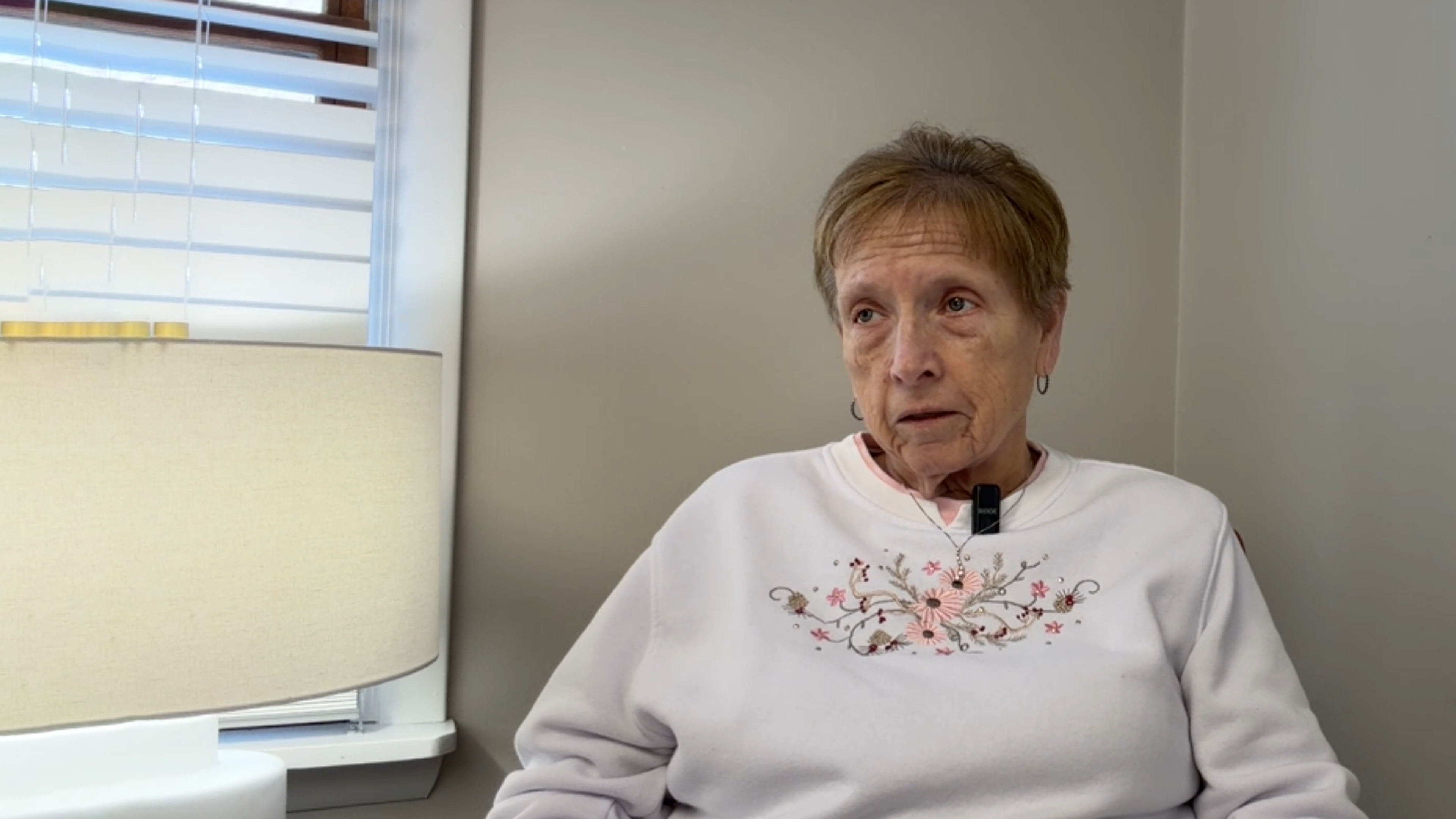
“I think every patient that has Alzheimer’s or dementia deserves a chance to be treated… to go somewhere where you can support the family and the patient. And maybe help to keep them out of a nursing home for a couple more years.”
Meet Elaine
Elaine, a retired nurse, chose to pursue cognitive testing after seeing firsthand how memory issues can affect a family. Her mother experienced cognitive decline for years without clear answers or support. “We spent many years before we knew she really had it… and the last five years of her life were an absolute nightmare,” Elaine says. At the time, there weren’t clear resources or guidance available. “There was nobody around to help do anything with her. So we just had to learn as we went along.”
Wanting to stay ahead
Because of that experience, and a family history of cognitive decline, Elaine wanted to be proactive about her own brain health. “My son wanted me to come in and have a cognitive assessment… dementia seems to run in families,” she says. Rather than wait for symptoms to progress, she chose to get tested early.
Getting reassurance — and direction
Through cognitive testing with Linus Health, Elaine was able to better understand where she stood. “My brain was okay… for 74 years old, I was alright,” she says.
That reassurance brought peace of mind, but also helpful guidance on what to do next. “I should pay attention to my diet… do new things, try to keep my brain active,” she explains.
Taking action to stay healthy
With that guidance, Elaine began making small but meaningful changes. “We did change our diets… try to get more Mediterranean diet,” she says. She’s also challenging herself in new ways. “Last week, I started taking piano lessons,” she says. “It’s challenging — but doable.”
Looking ahead with confidence
Today, Elaine feels more confident about her brain health and her ability to stay independent. “I think my brain health will be okay… I feel like I should be able to stay independent,” she says. Just as importantly, her experience is shaping how her family approaches cognitive health moving forward. “If my family sees that coming, they’ll be doing something about it,” she says.
The importance of early awareness
For Elaine, one of the biggest lessons is the importance of early action. “I think as soon as the patient or the patient’s family notices symptoms, they should be tested,” she says. Because when issues are identified earlier, there’s more that can be done. “If you catch it… they can be treated early… and their life would be better for a lot longer.”
Why Elaine’s story matters
Elaine’s story highlights the value of proactive cognitive assessment, especially for those with a family history of dementia. Even when results are reassuring, testing can provide clarity, guidance, and the confidence to take steps that support long-term brain health. In Elaine’s case, it meant peace of mind today, and a more informed path forward for both her and her family.
Explore more patient stories
Hear from other patients and caregivers about how cognitive assessment helped them better understand their brain health and move forward with confidence.